June 23, 2026
Your Fence Is Talking to You: Five Signals That a Chain-Link Repair Cannot Wait Any Longer
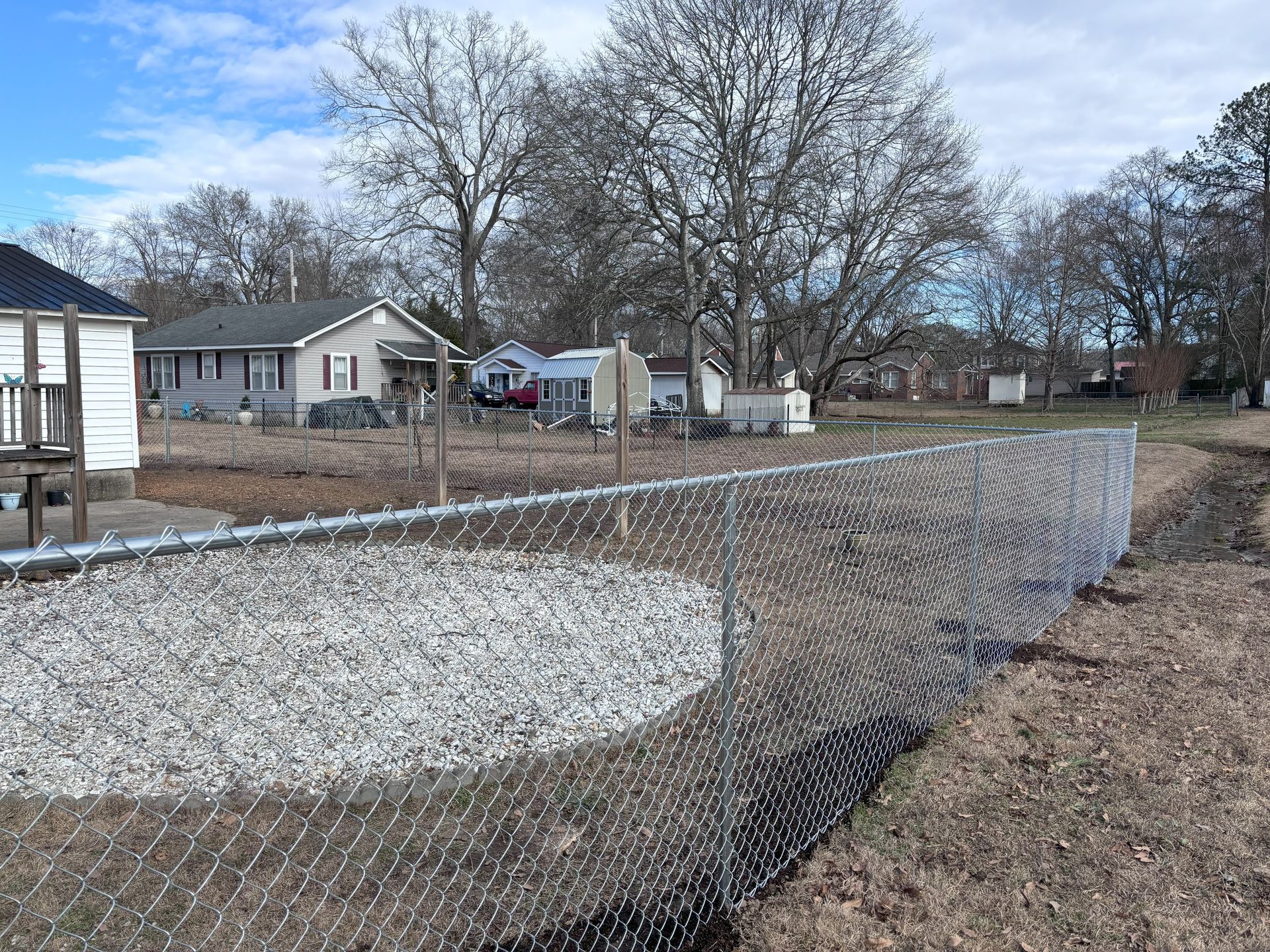
A chain-link fence does a quiet but critical job every single day. It defines property lines, keeps children and pets safely inside, deters trespassers, and adds a layer of visual structure to residential and commercial properties alike. Most property owners install one and then largely forget about it, trusting that galvanized steel will take care of itself. For years, that assumption often holds true. But chain-link is not invincible, and when it begins to fail, it rarely does so all at once. The deterioration is gradual, and that slow pace is exactly what makes it easy to ignore.
The problem with ignoring fence damage is that minor issues compound quickly. A small section of rust turns into structural instability. A bent post becomes a leaning panel that eventually collapses. What started as a one-hour repair becomes a full-section replacement if enough time passes. Chain-link fences communicate their distress through visible, physical signals that are not difficult to read, provided you know what to look for. This blog covers five of those signals in detail, explains the underlying causes behind each one, and outlines why prompt action protects both your property and your investment.
Visible Rust That Has Moved Beyond Surface Discoloration
What Surface Rust Looks Like Versus Structural Rust
A light orange tint on chain-link wire after prolonged rain is normal and does not always indicate a serious problem. What matters is whether that discoloration is superficial or whether it has penetrated the galvanized coating and started consuming the steel underneath.
Surface rust can be wiped away or treated with a wire brush and rust-inhibiting primer. Structural rust is a different matter entirely. When the wire begins to pit, flake in layers, or crumble at pressure points, the zinc coating that protects the steel has been fully compromised. At that stage, the tensile strength of the wire drops, meaning the fence can no longer hold tension across its span or absorb lateral force without deforming.
Why Rust Accelerates in Specific Zones
Rust almost always starts at the points where the fence contacts soil, concrete footings, or standing water. The bottom rail and the lowest few inches of mesh are the highest-risk areas because moisture sits there longest. In regions with acidic soil or heavy clay, the contact point between the footing and the post corrodes from the inside out, which means the visible surface looks intact while the base is hollowed.
Once rust compromises a post base, the entire panel above it loses its anchor. A fence that appears upright may have almost no structural integrity left at ground level.
Leaning or Shifting Posts
The Difference Between Settlement and Structural Failure
Some very minor post movement happens naturally after installation as the concrete footing cures and the surrounding soil settles. That is a one-time event that stabilizes within the first season. Ongoing leaning is a separate problem with distinct causes.
Posts lean for three primary reasons: footing failure due to frost heave or soil erosion, corrosion at the post base as described above, or physical impact from a vehicle, falling branch, or sustained pressure from overgrown vegetation. Each cause requires a different repair approach, but all three share the same consequence: a leaning post transfers stress unevenly across the entire fence line.
What Happens When Leaning Goes Unaddressed
When one post tilts, the tension wire and top rail attached to it shift out of alignment. This loosens the mesh across adjacent spans, creates gaps at the bottom, and puts abnormal strain on the next post in line. A single leaning post left for one full season can pull two or three neighboring posts into misalignment. What began as a single repair becomes a multi-span correction.
Mesh Separation, Holes, and Distorted Weave
How Chain-Link Mesh Fails
Chain-link mesh is woven from a continuous diamond pattern of interlocking steel wire. Its strength comes from that interlocking structure. When even one wire breaks or pulls free, the surrounding diamonds begin to deform under tension. The hole grows not because the wire rusts through uniformly, but because stress concentrates at the break point and progressively separates adjacent links.
Holes also appear from external damage: cutting, impact from thrown objects, animals chewing or pulling at the mesh, and improper tensioning during original installation that left weak points in the weave.
Why Gaps in the Mesh Are a Security and Liability Issue
A hole that is six inches wide may seem minor. Practically speaking, it is wide enough for a small child or medium-sized pet to push through. It is also enough of a gap to invalidate any security claim the fence provides. For commercial properties or anywhere the fence is part of a legal boundary or containment structure, visible gaps create real liability exposure if an incident occurs and the damage was pre-existing and documented.
Damaged or Missing Tension Wire and Rail Components
The Role of Tension Wire in Fence Stability
Most property owners focus on the mesh and the posts, but tension wire is what holds the lower edge of the mesh taut and prevents it from bowing outward or lifting at the bottom. When tension wire corrodes, breaks, or is never installed at sufficient gauge for the span length, the bottom of the fence becomes loose and easy to lift. This is one of the most common ways intruders and animals enter a property: not through the mesh but under it.
Top Rail and Brace Rail Damage
The top rail runs horizontally through the top loops of the mesh and is what keeps the fence from sagging between posts. When it bends, dents, or corrodes through, the mesh above it droops. Brace rails and tension bands at the terminal posts handle the lateral load at corners and ends. Damage to these components often goes unnoticed because it is structural rather than visually dramatic. A fence can look fine from ten feet away while its rail connections are failing at the hardware level.
Gate Problems That Have Spread Beyond the Gate Itself
When Gate Sag Indicates a Wider Problem
A sagging or binding gate is often treated as a standalone nuisance, but in most cases it signals something broader. Gates concentrate more stress than any other section of a chain-link fence because they are the only part designed to move. They are heavier, they swing against wind load, and their hinges create a constant point of mechanical wear.
When a gate sags to the point where it drags on the ground or fails to latch, the gate posts are typically the cause. Gate posts must be set deeper and in larger-diameter footings than line posts to handle the torque. When those footings crack, shift, or were undersized at installation, the post tilts and the gate follows.
The Cascade Effect of an Ignored Gate
A gate that cannot close properly is a security failure from day one. But the physical consequences extend further. When a gate post leans, it pulls tension off the nearest fence panel. The mesh loosens, the rail misaligns, and within one or two seasons the damage has migrated several feet in both directions from the gate opening. Repairing the gate post early is a contained job. Waiting until the adjacent fence panels are compromised turns it into a much larger project.
Skilled Repairs From Alabama's Experienced Chain-Link Fence Specialists
Chain-link fences are durable, but durability has limits. Rust that penetrates the coating, posts that have lost their footing, mesh that has separated or been breached, rail and tension wire components that are bent or missing, and gates that have begun to drag all point toward the same outcome if left unaddressed: a fence that no longer performs the job it was installed to do. Each of these five signals has a clear physical cause and a defined repair path. Catching them early keeps that repair path short. Waiting turns what was a targeted fix into a broader structural project. The fence around your property is an asset that works every hour of every day. Treating it accordingly, with regular visual checks and prompt attention when something looks wrong, is the most straightforward way to extend its service life and maintain its function.
For property owners in and around Higdon, Alabama, Simply Fencing LLC
brings 8
years of hands-on fencing experience to every repair and installation we handle. We understand the specific soil conditions, weather patterns, and climate demands that affect chain-link fences in this region, and we bring that knowledge to every job we assess. When our crew inspects a fence, we look at the entire system, not just the section that brought you to call us. From post footings to mesh tension to gate hardware, we diagnose accurately and repair with materials built to hold up in Alabama conditions. If your fence is showing any of the signals described in this blog, we are ready to take a look and give you a clear, honest assessment of what it needs.
Frequently Asked Questions
How do I know if my chain-link fence post needs to be replaced or just re-set?
If the post is structurally sound but has shifted due to frost heave or soil erosion, re-setting it in a new footing is often sufficient. If the base is corroded, pitted, or has lost significant diameter, replacement is the safer option. A quick inspection at ground level, checking for flaking metal and soft spots, gives you a reliable answer.
Can I patch a hole in chain-link mesh myself, or does it need professional repair?
Small holes up to about six inches can be patched using chain-link repair kits if the surrounding mesh is still structurally sound and the wire gauge matches. Larger holes or any damage that has distorted the weave across multiple feet of mesh generally require a professional to remove and re-tension the affected section properly.
What is the lifespan of a standard chain-link fence?
A chain-link fence installed with properly galvanized components and set in well-drained soil typically lasts between 15 and 25 years before major structural repairs are needed. Vinyl-coated versions may last longer cosmetically, but the underlying wire is subject to the same corrosion timeline once the coating is scratched or cracked.
Is leaning always a sign that the post footing has failed?
Not always. Leaning can also result from impact damage, tree root encroachment, or erosion removing the soil that braces the footing from the outside. However, the footing is the first thing to inspect. Dig down four to six inches around the base and look for cracking, crumbling concrete, or corrosion at the post-footing interface.
How often should a chain-link fence be professionally inspected?
An annual inspection is a reasonable baseline for residential fences in moderate climates. Properties in areas with heavy rainfall, acidic soil, or coastal salt air benefit from inspections twice per year. Commercial properties, especially those where the fence serves a containment or security function, warrant the same twice-yearly schedule.