April 17, 2026
DIY or Pro? What to Know About Installing a Chain-Link Fence
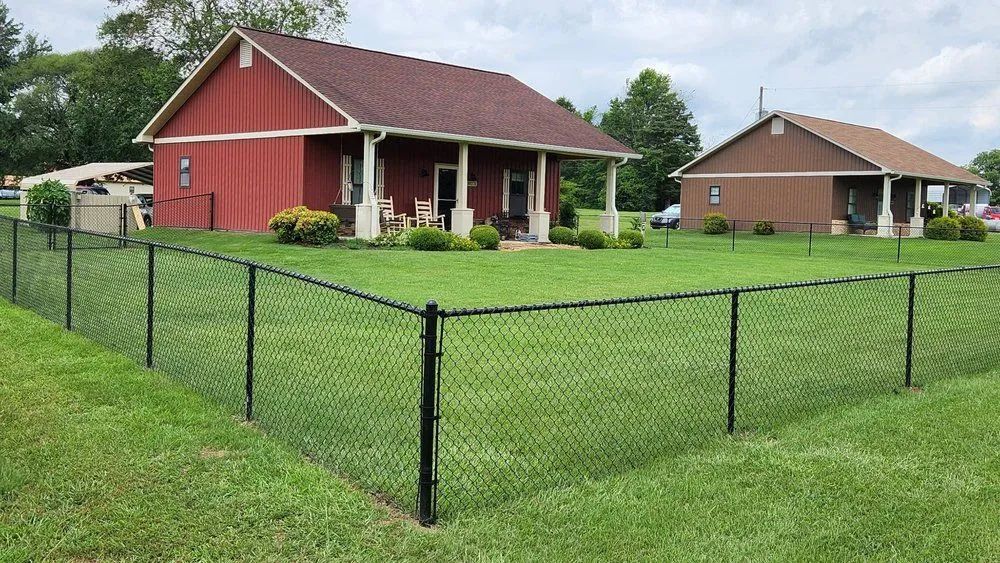
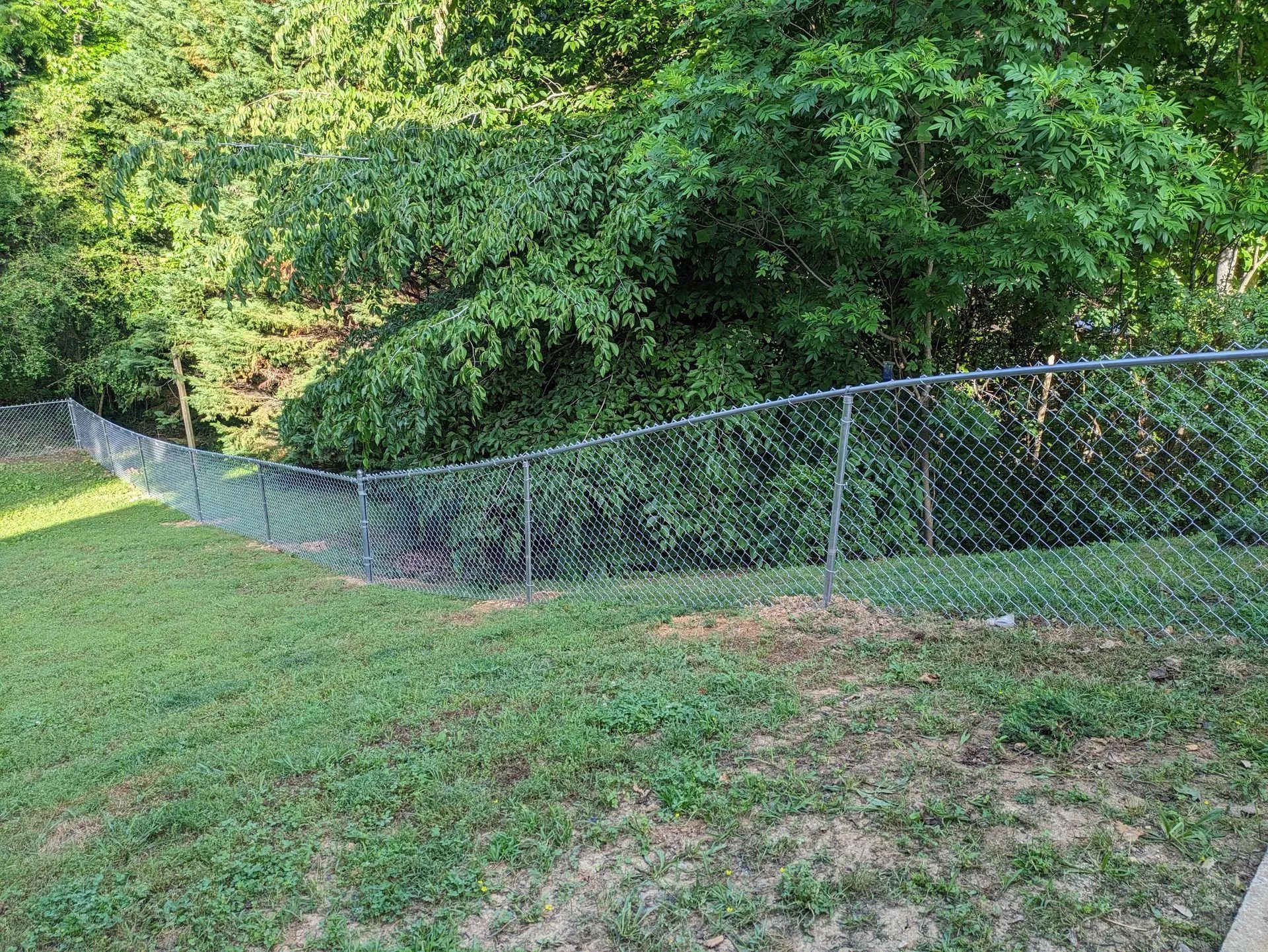
Installing a chain-link fence is one of the most practical ways to secure residential, commercial, or agricultural property. Known for its durability, affordability, and low maintenance, this fencing option continues to be a preferred choice for property owners seeking reliable boundary solutions. However, the decision between a do-it-yourself installation and hiring a professional often determines the quality, longevity, and performance of the entire fence system. Understanding what the process involves is essential before committing time, effort, or budget.
A chain-link fence may appear straightforward at first glance, but proper installation requires precise measurements, correct post alignment, tension control, and knowledge of soil conditions. Small errors during setup can lead to sagging sections, weak stability, or premature wear. This makes the planning stage just as important as the installation itself. Property owners must weigh cost savings against long-term durability and structural integrity when deciding the approach.
This guide explores key considerations for installing a chain-link fence, comparing DIY methods with professional installation. It highlights practical steps, common challenges, and expert insights to help make an informed decision that ensures safety, efficiency, and lasting value for any property boundary project.
Understanding Chain-Link Fence Installation Basics
Core Components and Their Function
A chain-link fence system consists of posts, rails, mesh fabric, tension bands, and fittings. Each component serves a distinct role in maintaining overall structure and stability. Terminal posts anchor the entire system firmly, while line posts ensure straight alignment across the perimeter. Tension wires keep the mesh tight and secure. Understanding how each part works together is essential before beginning installation or planning material requirements for any project.
Site Preparation and Layout Planning
Proper installation begins with accurate site evaluation and preparation. Property boundaries must be clearly identified and marked before any digging starts. Underground utilities should also be located to avoid damage during excavation. Measuring the full perimeter precisely ensures correct material estimation and prevents unnecessary delays or shortages. A carefully planned layout helps maintain straight alignment, reduces installation errors, and ensures the final fence structure remains consistent, stable, and visually uniform across all sections.
DIY Installation Approach: What It Involves
Tools, Skills, and Preparation Requirements
A DIY chain-link fence installation requires essential tools such as post hole diggers, concrete mix, leveling equipment, fencing pliers, and tensioning tools. Beyond equipment, basic construction knowledge is necessary to ensure proper post depth, spacing accuracy, and alignment. Without these skills, structural integrity may be compromised. Preparation also includes material planning, layout marking, and understanding soil conditions to avoid errors that can affect long-term fence durability and overall installation quality.
Step-by-Step Process Overview
The DIY installation process begins with marking fence lines accurately, followed by digging post holes at required depths based on design specifications. Terminal posts are set first using concrete to ensure stability and perfect vertical alignment. After curing, line posts are installed evenly across the layout. Finally, chain-link mesh is attached and carefully tensioned. Each stage requires attention to detail to prevent misalignment, uneven spacing, or structural weaknesses in the completed fence system.
Common DIY Challenges
DIY fence installation often presents challenges such as uneven post depth, incorrect spacing, and improper mesh tensioning. Soil conditions like sand or loose earth can reduce stability if not handled correctly. Weather changes may also affect concrete curing times and alignment accuracy. Without proper experience, these issues can lead to sagging sections, reduced durability, and frequent maintenance requirements over time, ultimately impacting both performance and the long-term reliability of the fence structure.
Professional Installation Advantages and Considerations
Precision and Structural Reliability
Professional installation delivers high precision in measurements, post alignment, and mesh tensioning, ensuring a strong and stable fence system. Accurate execution reduces risks of sagging, leaning, or premature structural failure. Experience in handling uneven terrain and varying soil conditions further enhances durability. Each installation step is performed systematically, ensuring consistency across the entire fence line while maintaining strength, stability, and long-lasting performance under different environmental conditions and usage demands over time.
Time Efficiency and Project Management
A professionally managed installation significantly reduces project completion time through structured planning and efficient execution. Each stage, from material preparation to final installation, is coordinated to avoid delays. Experienced handling of tools and processes ensures smooth workflow and minimal disruption to property use. Time efficiency does not compromise quality, as systematic procedures maintain accuracy, alignment, and durability throughout the installation process, delivering a completed fence within a predictable and optimized timeframe.
Compliance and Safety Standards
Professional fencing work follows established local building codes and safety regulations to ensure proper installation standards. Correct post depth, secure anchoring, and appropriate material usage contribute to structural safety and legal compliance. These standards help prevent future liabilities and reduce the risk of installation failure. Safety-focused practices also ensure stable fencing systems that can withstand environmental stress, offering long-term reliability and peace of mind for property owners relying on secure boundaries.
Cost Comparison: DIY vs Professional Installation
Upfront Savings vs Long-Term Value
DIY installation often appears more affordable initially due to eliminated labor costs, making it attractive for budget-conscious projects. However, additional expenses such as tool purchases, material waste, and possible corrections can increase total costs. Professional installation requires higher upfront investment but delivers stronger long-term value through durability, reduced repairs, and fewer maintenance requirements, ultimately making it a more cost-efficient solution when considering the full lifecycle of the fence system.
Material Efficiency and Waste Reduction
Experienced installers ensure accurate material estimation and efficient usage throughout the project. This reduces unnecessary waste and prevents shortages that often occur in DIY projects. Proper planning allows precise calculation of posts, mesh, and fittings required for the entire fence line. Efficient material handling not only saves costs but also ensures smoother installation progress, minimizing interruptions and improving overall structural consistency across all installed sections of the chain-link fencing system.
Repair and Maintenance Considerations
Improper installation can lead to recurring maintenance issues such as loose mesh, leaning posts, or alignment problems. These issues require repeated adjustments that increase long-term costs and effort. Professionally installed fences generally require fewer repairs due to accurate setup and stronger structural integrity. Reduced maintenance needs save time and resources while ensuring consistent performance, making professional installation a more reliable choice for long-term fencing stability and reduced operational concerns.
Best Practices for a Successful Chain-Link Fence Installation
Accurate Measurement and Marking
Accurate measurement is essential for achieving a straight and uniform fence layout. Using stakes and string lines helps define clear boundaries and maintain consistent post spacing throughout the installation area. This step reduces alignment errors and ensures visual consistency. Careful marking also helps avoid material miscalculations, ensuring efficient use of resources. Proper planning at this stage sets a strong foundation for smooth installation and long-lasting structural performance of the fence system.
Proper Post Setting Techniques
Posts must be installed at correct depths using concrete to ensure long-term stability and strength. Maintaining vertical alignment during the setting process is critical to prevent leaning or structural imbalance. Adequate curing time allows the concrete to harden properly, securing posts firmly in place. This step directly influences overall fence durability, as properly set posts provide the foundation for a strong, stable, and evenly aligned chain-link fencing system across all sections.
Correct Tensioning of Mesh Fabric
Chain-link mesh must be evenly stretched across the installed frame using proper tools and techniques. Uneven tension can lead to sagging, weak points, or structural inconsistencies over time. Correct tensioning ensures the fence maintains a clean, tight appearance while improving durability. This process requires patience and precision to achieve uniform results across the entire fence line, ensuring long-lasting performance and structural integrity under regular environmental exposure and usage conditions.
Regular Inspection and Maintenance
Routine inspection helps identify early signs of damage such as rust, loosening fittings, or minor alignment shifts. Addressing these issues promptly prevents larger structural problems and extends fence lifespan. Regular maintenance includes tightening components, cleaning surfaces, and checking stability after weather changes. Consistent upkeep ensures the fence remains strong, functional, and visually consistent over time, reducing the need for major repairs and maintaining long-term performance and reliability across all installed sections.
Professional Fence Craftsmanship Ensuring Long-Term Performance
Choosing between DIY and professional chain-link fence installation depends on budget, skill level, terrain, and long-term expectations. While DIY methods may reduce upfront costs, they require precision, time, and technical understanding to avoid structural issues. Professional installation offers greater accuracy, efficiency, and durability, making it a preferred choice for complex or high-importance fencing projects. Proper planning and execution remain essential regardless of the chosen approach, ensuring the fence performs its intended function effectively.
Simply Fencing LLC provides dependable fencing solutions built on precision, durability, and practical expertise. With extensive experience in chain-link fence installation, the focus remains on delivering structures that stand strong against time, weather, and everyday use. Every project is approached with careful planning, accurate measurement, and attention to structural integrity, ensuring results that meet both functional and visual expectations. From residential boundaries to larger commercial enclosures, each installation is handled with consistent quality standards and reliable workmanship.
Based in Higdon, Alabama, Simply Fencing LLC
has built a reputation for dependable service and long-lasting fencing solutions. Over 8
years of hands-on experience in the fencing industry has shaped a deep understanding of materials, terrain challenges, and installation techniques. This expertise allows us to handle projects with efficiency while maintaining strict quality control. Property owners benefit from solutions that prioritize strength, alignment, and durability without unnecessary complications.